
Early Literacy Development: Milestones and Challenges

Summary: Literacy development involves learning to read, write, and communicate. Challenges include phonological issues, dyslexia, limited vocabulary, and language barriers. Early reading, phonemic activities, and parental involvement help build skills. Supportive environments and early intervention ensure successful literacy growth in young children. Literacy Development The process by which children learn to read and write, including […]
School Readiness: Challenges, Milestones, and Strategies for Success

Summary: School readiness includes cognitive, social-emotional, physical, language, and behavioral development. Challenges like delayed learning, emotional regulation, and environmental factors can hinder progress. Milestones guide development, and early intervention, parental involvement, and supportive environments help children succeed in school. Schools Readiness The set of skills a child needs to succeed in a school environment, includes […]
Development Methods (4 to 10 Years)

Summary: This article explores 12 standardized child development models for ages 0-4, including Montessori, Reggio Emilia, Waldorf, and others. Each approach emphasizes unique aspects like sensory exploration, play-based learning, creativity, and structured routines. The guide helps parents and educators understand different methodologies to support children’s cognitive, social, and emotional growth. 12 Standardized Development Methods (4 […]
Early Intervention in Child Development

Summary: Early intervention supports children (0-4 years) with developmental delays through screening, therapy, and family-centered plans. It enhances learning, skills, and overall well-being while preventing future challenges. Key strategies include early identification, personalized support, and professional collaboration to ensure optimal growth. Early Literacy Promoting early literacy skills through exposure to books, rhymes, songs, and language-rich […]
The Importance of Routines & Transitions for Young Children
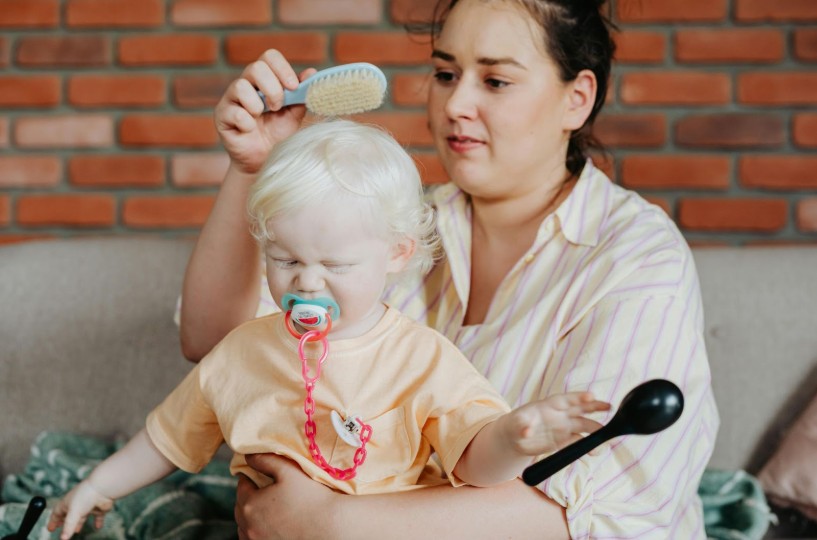
Summary: Establishing consistent routines and smooth transitions fosters security, independence, and self-regulation in children aged 0-4. Daily routines like feeding, sleep, and learning promote emotional, social, and cognitive development while reducing anxiety and easing transitions for both children and caregivers. Routines and Transitions Establishing consistent daily routines and smooth transitions between activities to promote a […]
The Role of Sensory Play in Early Childhood Development

Summary: Sensory play engages children’s senses—touch, sight, sound, smell, and taste—supporting cognitive, motor, and social development. Activities like texture exploration, water play, and sensory bins foster creativity, language skills, and emotional regulation. Thoughtfully planned sensory experiences enhance learning and well-being. Sensory Play Providing opportunities for children to engage in activities that stimulate their senses, such […]
Early Brain Development: Building a Strong Foundation

Summary: From birth to age 4, rapid brain development shapes cognitive, emotional, and social growth. Secure attachments, language exposure, play, nutrition, and a stable environment foster healthy development, while stress and neglect can hinder progress. Early support ensures lifelong learning and well-being. Brain Development The rapid growth and formation of neural connections in the early […]
Differentiated Instruction in Early Childhood

Summary: Differentiated instruction tailors learning experiences for children from birth to 4 years, addressing individual needs, learning styles, and developmental levels. Strategies include flexible grouping, varied materials, adaptive activities, and ongoing assessments to create a supportive and inclusive learning environment. Differentiated Instruction Tailoring teaching methods and activities to meet the individual needs and developmental levels […]
Cultural Competence in Early Childhood

Summary: Developing cultural competence in children from birth to 4 years old involves fostering an early appreciation for diversity through exposure to different cultures, traditions, and languages. Strategies include incorporating diverse materials, modeling inclusive behavior, promoting social interactions, and engaging families in cultural experiences. By creating an inclusive environment and addressing challenges such as resource […]
Inclusive Education in Early Childhood

Summary: Inclusive education for children (0-4 years) ensures equal learning opportunities for all abilities and backgrounds. Key strategies include differentiated instruction, social inclusion, family collaboration, and professional training. Addressing resource and training challenges fosters a supportive, equitable early education environment. Inclusive Education An approach that ensures all children, including those with diverse abilities or disabilities, […]