
Resilience Development in Early Childhood

Summary : Resilience development in young children strengthens emotional regulation, problem-solving, and adaptability. Challenges include managing emotions, navigating social interactions, and building self-esteem. Strategies like fostering a growth mindset, modeling resilience, and encouraging problem-solving help children develop confidence and perseverance. Resilience Development The ability to cope with and bounce back from challenges, stress, and adversity, […]
Differentiated Instruction in Early Childhood Education

Summary: Differentiated instruction tailors learning to children’s unique needs, abilities, and interests. Challenges include flexible grouping, adapting materials, and balancing individual and group needs. Effective strategies—such as varied activities, assessment-based planning, and individualized support—enhance engagement, motivation, and learning outcomes. Differentiated Instruction Tailoring instruction to meet the diverse needs of learners by varying content, process, products, […]
Effective Scaffolding Strategies in Early Childhood Education

Summary: Scaffolding provides structured support to help children develop new skills independently. Challenges include adapting support, maintaining engagement, and ensuring consistency. Effective strategies—such as gradual assistance, engaging activities, and problem-solving encouragement—help caregivers and educators foster confident, independent learners. Scaffolding A teaching method that involves providing support and gradually removing it as the child becomes more […]
Promoting Inclusion in Early Childhood Education

Summary: Inclusion ensures all children, regardless of ability or background, feel valued in educational settings. Challenges include understanding diversity, adapting activities, and communication barriers. Strategies like fostering respect, inclusive curriculums, and peer collaboration help create supportive, inclusive environments where every child thrives. Inclusion Ensuring that all children, regardless of their abilities or disabilities, have access […]
Bullying Prevention Strategies for Children Aged 4 and Older

Summary: Bullying prevention fosters a safe, supportive environment for young children. Challenges include understanding bullying, peer influence, and inconsistent adult responses. Strategies such as teaching empathy, promoting communication, and encouraging positive peer relationships help children develop respect, kindness, and conflict resolution skills. Bullying Prevention Strategies and practices aimed at preventing and addressing bullying behaviors, fostering […]
Autonomy Development in Children Aged 4 and Older
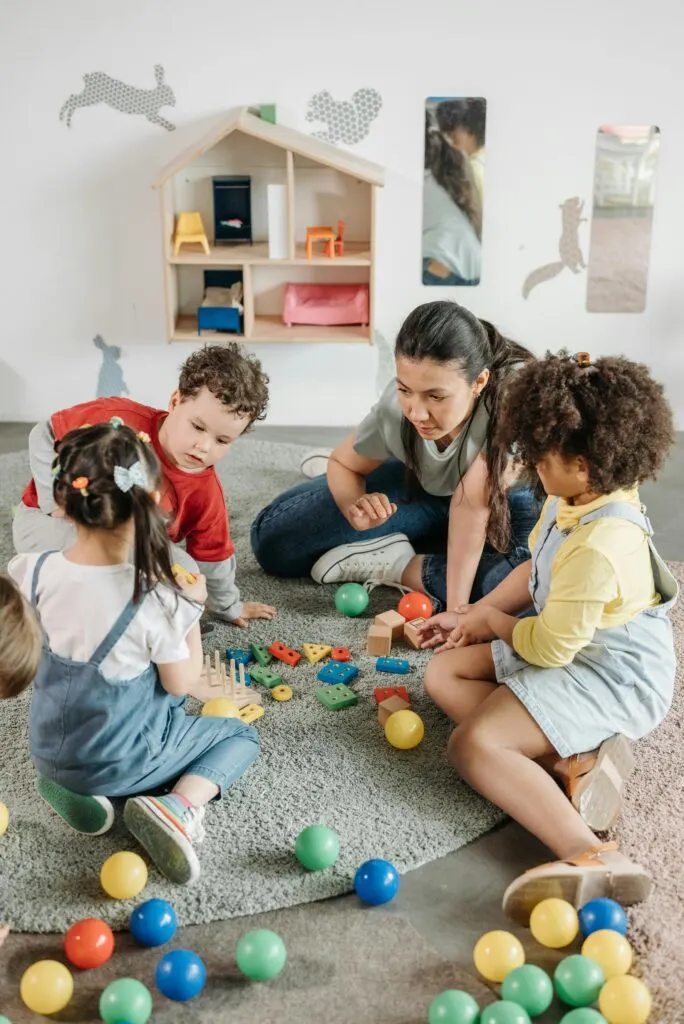
Summary: Autonomy fosters independence, decision-making, and problem-solving in children. Challenges like fear of failure, boundary-testing, and frustration can arise. Strategies include encouraging decision-making, fostering problem-solving, supporting emotional regulation, and setting clear boundaries to help children build confidence and resilience. Autonomy The development of independence and the ability to make decisions and act on one’s own, […]
Social-Emotional Learning (SEL) for Children Aged 4 and Older

Summary: Social-emotional learning (SEL) helps children recognize emotions, build relationships, and make responsible decisions. Strategies like modeling emotions, teaching self-regulation, promoting empathy, and fostering problem-solving skills support SEL development, enabling children to navigate social interactions, manage emotions, and develop strong interpersonal skills. Social-Emotional Learning Developing the skills to recognize and manage emotions, build positive relationships, […]
Emotional Intelligence Development in Early Childhood (Birth to 4 Years)

Summary: Emotional intelligence (birth to 4 years) involves recognizing, expressing, and managing emotions. Key strategies include modeling emotions, teaching vocabulary, validating feelings, and encouraging empathy. Caregivers foster self-regulation and social skills through peer interactions, routines, and positive reinforcement for emotional growth. Emotional Intelligence The ability to recognize, understand, and manage one’s emotions and the emotions […]
Socio-Emotional Development in Early Childhood

Summary: Socio-emotional development (birth to 4 years) includes emotional regulation, empathy, and social skills. Key strategies include secure attachments, social play, emotional vocabulary, and conflict resolution. Caregivers support development through modeling emotions, setting expectations, and fostering peer interactions for healthy relationships. Socio-Emotional Development The growth of a child’s social and emotional skills, including self-awareness, empathy, […]
Gross Motor Skills Development in Early Childhood

Summary: Gross motor skills involve large muscle movements essential for activities like crawling, walking, running, and climbing. From birth to age 4, children progressively develop coordination, balance, and strength, achieving milestones such as jumping, pedaling, and ball play. Encouraging active play, providing safe environments, and supporting physical exploration help enhance gross motor development and overall […]